
 how-to
Sourcing Rare Drum Kit Configurations: A Pro Guide
Table of Contents
- Why Rare Drum Kit Configurations Are Worth the Effort
- Understanding Custom Drum Kit Setup Requirements
- Where to Source Rare Drums and Vintage Gear
- Touring Drum Kit Logistics: Transport and Setup
- How Professional Backline Rental Services Simplify Sourcing
- Acoustic Physics and Sound Projection in Rare Configurations
- Common Mistakes When Sourcing Rare Drum Kits
- Frequently Asked Questions
Last Updated: September 19, 2026
Why Rare Drum Kit Configurations Are Worth the Effort
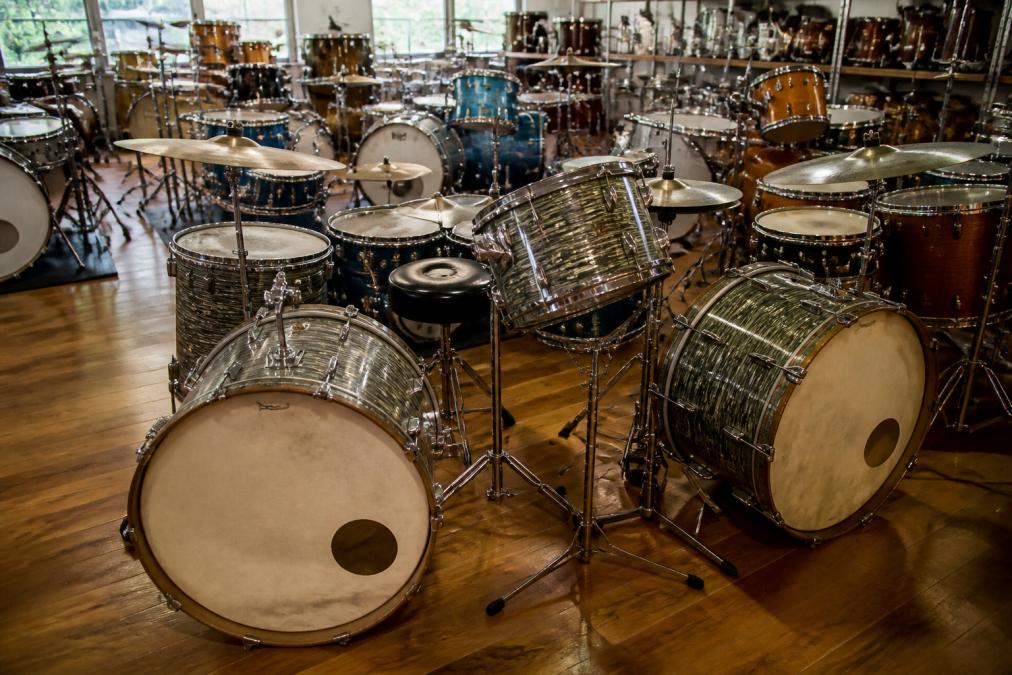
Sourcing rare drum kit configurations is the process of finding, verifying, and assembling non-standard drum setups that fall outside mass-produced shell packs, and it rewards players who treat the kit as an instrument rather than furniture. At ORLANDO BACKLINE, we have rented and carted drums since 1989, and the requests that stick with us are never the stock five-piece kits. They are the offset rack toms, the twin floor toms, the 26-inch bass drums that force every other decision.
The payoff is real. A configuration built around your reach and your genre changes how you sit, how you strike, and how the kit projects into a room.
The catch is that rare gear rarely arrives as a complete package. You source shells from one place, mounts from another, and hardware that was discontinued years ago from a third. This guide walks through the full chain: requirements, sourcing, transport, and the physics that decide whether an unusual layout actually sounds good.
Understanding Custom Drum Kit Setup Requirements
Custom drum kit setup requirements start with three measurements: your seated reach, the shell depths you intend to play, and the mounting system the shells accept. Get those wrong and no amount of expensive vintage gear will save the setup.
Shell Depth and Drum Shell Materials
Shell depth drives both tone and ergonomics. Deeper toms speak lower and slower, which suits rock and heavier genres, but they also push the playing surface further from your body. Shallower shells respond faster and sit lower, which is why jazz players favor them.
Drum shell materials shape the tuning range you can realistically work with. Maple gives a balanced, warm fundamental that tunes across a wide range. Birch cuts harder in the midrange, useful when a kit has to punch through a loud stage mix. Poplar and mahogany appear often in vintage drums, and both tend to sound warmer and less defined under close miking. If you are matching new shells to old ones, material matters more than finish.
Mounting Hardware and Hardware Clamps
Mounting hardware decides whether your layout survives a tour. A rare configuration often means non-standard tom arms, offset brackets, or a shell that was never drilled for a modern mount.
Hardware clamps let you attach toms, cymbals, and percussion to existing stands without drilling shells. That matters for vintage drums, where an extra hole permanently reduces value. The trade-off is weight: every clamp adds mass to a stand that was designed for one cymbal.
Where to Source Rare Drums and Vintage Gear
Sourcing rare drums works best when you treat it as three separate searches: shells, mounting hardware, and the small parts nobody photographs. Most buyers fail because they hunt for a complete kit instead of assembling one.
Start with specialist dealers and vintage drum shops, which usually list individual shells with accurate measurements. General marketplaces can work, but sellers there frequently mislabel sizes. Ask for a photo of a tape measure across the shell rather than trusting a listing title.
Estate sales, university music departments, and closing studios occasionally release unusual gear that never reaches a retail listing. These sources reward patience over speed.
Sourcing Rare Hardware and Mounting Parts
Rare hardware is the hardest part of any build, and it is where most projects stall. A discontinued tom bracket or a specific bass drum pedal alignment plate can take months to locate.
A workable approach:
- Identify the exact part number or mount pattern before searching
- Post wanted listings on drummer forums and vintage gear groups
- Contact repair shops, which often hold parts removed from customer kits
- Buy a complete donor drum when only one bracket is needed, then resell the rest
- Commission a machinist for simple brackets that no longer exist
The donor-drum route sounds wasteful until you price a single original bracket against a full used drum. Often the drum costs less.
Touring Drum Kit Logistics: Transport and Setup
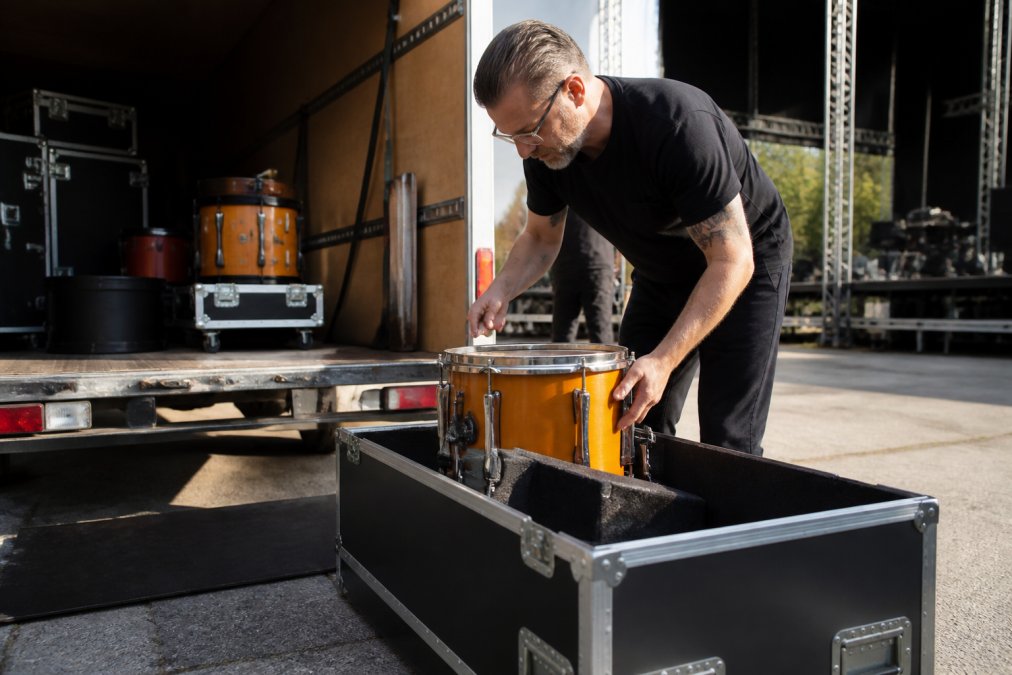
Touring drum kit logistics for a rare configuration come down to one rule: every non-standard shell needs a case built for that shell, not a generic bag. Odd-depth toms and oversized bass drums do not fit standard cases, and a loose shell in transit arrives out of round. A 26-inch bass drum will not fit a case sized for a 22, and a 15-inch-deep floor tom will not fit a bag sized for a 14.
The Logistics of Rare Kit Transport
Transport is where rare kits fail. A configuration with a 26-inch bass drum and two floor toms takes meaningfully more vehicle space than a standard kit, and that space has to be planned before the tour, not on load-in day. The math is unforgiving: a standard five-piece fits in a mid-size SUV, but an oversized kit with two floor toms and a deep snare often requires a full-size van or a trailer, which changes your fuel, parking, and load-in footprint at every venue.
Practical steps that hold up on the road:
- Measure every case and map the load order before the first date
- Label each case by drum, not by size
- Carry spare clamps, wing nuts, and a full set of tension rods
- Photograph the assembled kit before teardown so setup is repeatable
- Weigh each case and note it, because airline and freight charges are based on weight and dimensions, not piece count
Cases, Cartage, and the Build-vs-Rent Decision
Custom flight cases for non-standard shells are a real line item. A case built for a 26-inch bass drum or an odd-depth tom costs more than a stock case because it is a one-off build, and lead times from case makers can run several weeks. Factor that into the build timeline, not the week before the tour.
Setup Repeatability on the Road
A rare configuration is harder to set up than a stock kit because there is no factory reference for where the toms sit. Photograph the assembled kit from the front and side before every teardown, and mark the stand heights with tape or a paint pen. On a multi-date run, that turns a 45-minute setup into a 20-minute one and keeps the ergonomics you dialed in at home.
How Professional Backline Rental Services Simplify Sourcing
Professional backline rental services solve the sourcing problem by holding the inventory, the spares, and the cartage in one place. Instead of tracking down a specific shell depth in three cities, a band specifies the configuration once and a provider delivers it stage-ready.
What to confirm before booking any provider:
- Whether the exact shell depths and mount types on your rider are in stock
- Whether delivery, setup, and strike are included or billed separately
- What the backup plan is if a piece fails during the show
- How far in advance the configuration must be locked
Acoustic Physics and Sound Projection in Rare Configurations
Acoustic physics explains why some unusual layouts sound enormous and others sound thin. Two factors dominate: resonance and sound projection.
Common Mistakes When Sourcing Rare Drum Kits
The most common mistake is buying shells before measuring reach. A configuration that looks correct in photos can be unplayable if the rack toms sit beyond comfortable arm extension.
Other recurring errors:
- Assuming a listing's stated size is accurate without a photo of the measurement
- Drilling a vintage shell to fit modern hardware instead of using clamps
- Buying one rare drum without checking whether its mounts are still obtainable
- Skipping the case budget, then transporting a rare shell in a generic bag
- Locking a rider configuration before confirming the parts exist
Frequently Asked Questions
What should you look for when renting vintage or rare drum gear?
Check the bearing edges for cracks, inspect the shell for warping or delamination, and test all hardware clamps and tension rods for stripped threads. Verify the drum shell materials are intact and the tuning range is usable. Ask about the maintenance history and whether the kit has been used on recent tours. A reputable backline provider will have documentation on each piece's condition and a maintenance log.
How do you ensure rare drum kits are properly maintained for touring?
Rare kits need a pre-tour inspection covering bearing edges, hardware threading, and shell integrity. Replace worn tension rods and stripped clamps before they fail on stage. Keep a spare parts kit with common vintage sizes. After each show, wipe down shells and check all mounting hardware for loosening. Store in climate-controlled cases to prevent warping. Work with a backline provider that tracks maintenance per piece.
What is the difference between a standard 5-piece kit and a custom configuration?
A standard 5-piece kit follows a conventional layout: bass drum, snare, two rack toms, and a floor tom. A custom configuration changes shell depths, diameters, or component placement to suit a specific genre or playing style. It might include an extra floor tom, a secondary snare, or a remote hi-hat. Custom setups often require non-standard mounting hardware and careful attention to drumming ergonomics and kit geometry.
How do you coordinate the logistics of sourcing specialized percussion equipment?
Start by documenting the exact specifications: shell sizes, hardware types, and finish. Contact multiple suppliers and verify they can meet the timeline. For touring, arrange cartage and setup through a single provider to avoid gaps. Confirm insurance coverage for high-value vintage pieces. Build a buffer of at least two weeks for sourcing rare parts. Always have a backup plan for non-replaceable components.
Sourcing rare drum kit configurations takes patience, accurate measurements, and a plan for getting unusual gear from the case to the stage without damage. ORLANDO BACKLINE handles that entire chain, with drums, keyboards, guitars, and staging from all major brands, cartage and setup by the same crew, and gear prepped to artist-rider specifications since 1989. Get started with ORLANDO BACKLINE and lock in a stage-ready configuration through the services request form.